
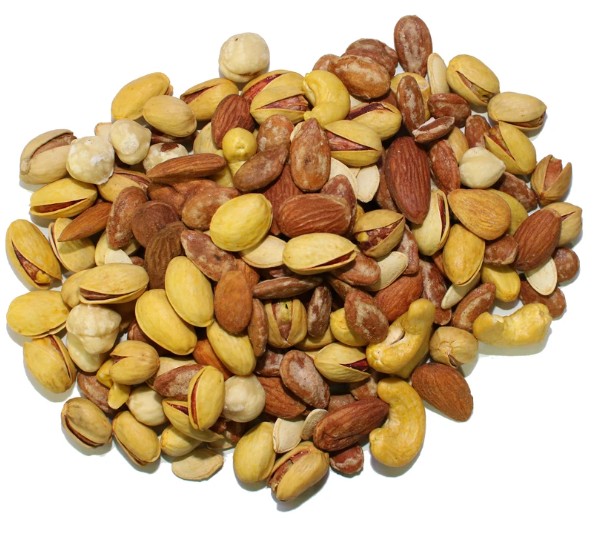
The ANCIENT Snack Mix That Makes Chips and Popcorn Look Like AMATEURS!
Persian Snack of Ajil: Okay, snack lovers, put down whatever sad, processed, flavour-dust-coated thing you’re currently eating. Because I’m about to introduce you to something that has been rocking Persian households, bazaars, and living room gatherings for CENTURIES.
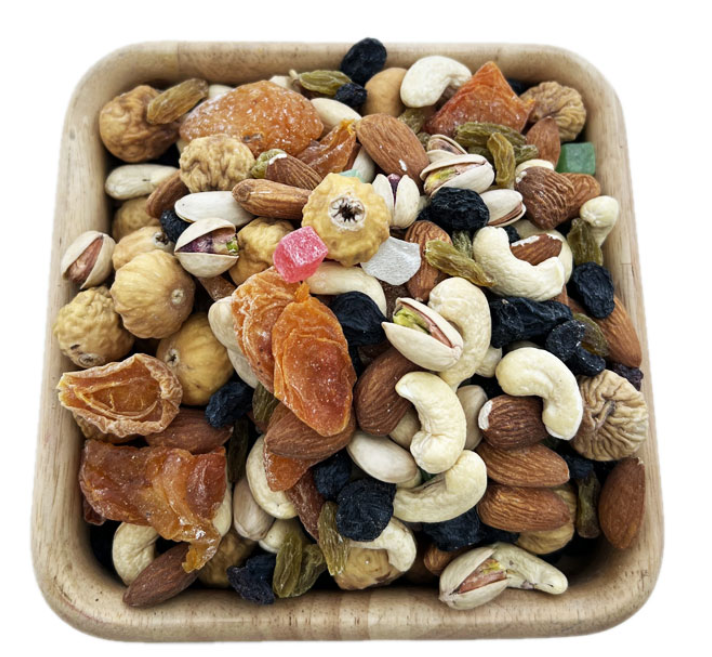
Meet Ajil (آجیل) — the glorious, ancient, ridiculously delicious Persian mixed nuts and dried fruit platter that is, without question, the greatest snack concept ever invented by human civilisation. Bold claim? Maybe. True? ABSOLUTELY.
This isn’t trail mix from a gas station. This isn’t a sad little bowl of salted peanuts. No, no, no. We’re talking about a carefully curated symphony of roasted nuts, seeds, and dried fruits — saffron-kissed, spiced to perfection, and assembled with the kind of intention that turns a simple snack into a full cultural experience.
The best part? You can make it at home. And once you do, you will NEVER look at snacking the same way again.
What Even IS Ajil? (And Why You Need It Immediately)
Ajil (pronounced “AH-jeel”) is a traditional Persian snack mix that literally translates to “nuts and dried fruits” — but that translation does it ZERO justice. Think of it as the Persian art of elevated snacking.
This is the snack that comes out at Nowruz (Persian New Year), at family gatherings, during Yalda Night (the longest night of the year), and basically any time Persians want to show love through food — which is always.
Here’s what makes Ajil different from anything you’ve snacked on before:
- Layers of flavour — sweet, salty, earthy, tangy, and savoury all at once
- Incredible variety — every handful is a different experience
- Roasted in-house — none of that stale pre-packaged nonsense
- Culturally significant — this has been the centrepiece of Persian hospitality for generations
- Stupidly addictive — you CANNOT eat just one handful. Science has confirmed this.
The vibe: Imagine if a luxury snack board, a nut roaster, and a Persian grandmother’s love for her guests had a baby. That baby is Ajil.
Why You Should Make This Right Now
Look, I’m not going to pretend this takes zero effort. But here’s why you should absolutely do it anyway:
Impressive beyond belief — Serve this at a gathering and watch people orbit the bowl like it has its own gravitational pull.
Actually better for you — Real nuts, real dried fruits, real ingredients you can pronounce.
Completely customisable — Make it sweeter, saltier, spicier. It’s YOUR Ajil.
Incredible gift — Package it in a beautiful jar and you have the most thoughtful, delicious present anyone has ever received.
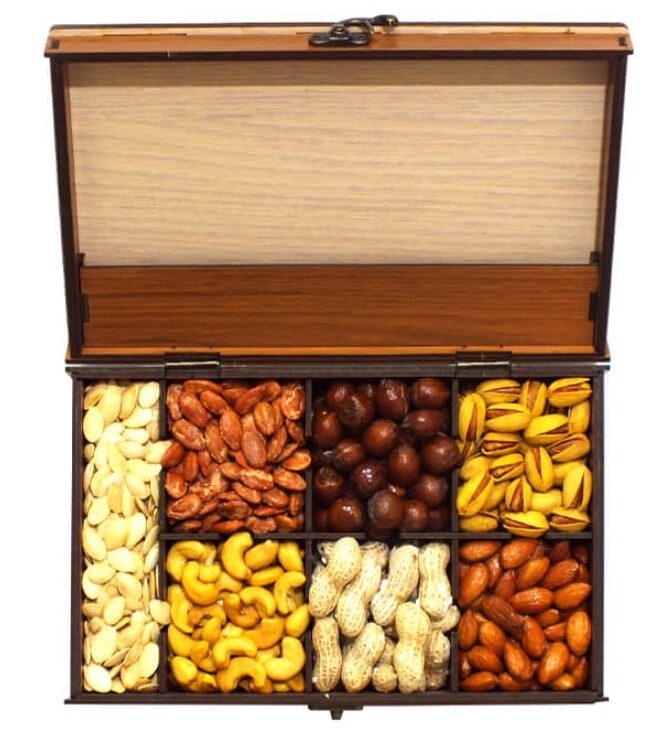
Ancient tradition — You’re participating in a culinary practice that predates most countries.
No cooking required — Just roasting, mixing, and seasoning. Even kitchen beginners can nail this.
The Essential Ingredients (Where Quality Is EVERYTHING)
This is the most important section. Because Ajil lives and dies by ingredient quality. Don’t cheap out here. Your future self will thank you.
The Nuts (The Foundation):
- 1 cup raw pistachios — the Persian nut. The king. Non-negotiable.
- 1 cup raw almonds — skin on, whole
- 1 cup raw cashews — buttery, rich, glorious
- ½ cup raw walnuts — earthy and bold
- ½ cup raw hazelnuts — optional but spectacular
The Seeds (The Supporting Cast):
- ¼ cup pumpkin seeds (pepitas)
- ¼ cup sunflower seeds
- 2 tablespoons sesame seeds
The Dried Fruits (The Sweet Surprise):
- ½ cup golden raisins (keshmesh) — plump, sweet, essential
- ½ cup dried sour cherries (albaloo) — the tart counterpoint that changes everything
- ¼ cup dried apricots, roughly chopped
- ¼ cup dried figs, quartered
- ¼ cup mulberries (toot) — if you can find them, USE THEM
The Seasonings (The Magic Makers):
- ½ teaspoon saffron, bloomed in 2 tablespoons warm water
- 1 teaspoon sea salt (adjust to taste)
- ½ teaspoon ground cumin (optional for a savoury version)
- 1 teaspoon rosewater (just a whisper — trust me)
- 1–2 tablespoons olive oil or melted butter for roasting
The Method: How to Build Your Perfect Ajil
Part 1: Bloom Your Saffron (Do NOT Skip This)
This step takes 10 minutes and transforms everything.
- Grind a pinch of saffron threads in a mortar — into a fine powder
- Add 2 tablespoons of warm (not boiling!) water
- Stir and let it sit for at least 10 minutes
- It should turn a deep, gorgeous amber-gold
- Set aside — this liquid gold gets added later
Pro Tip: Saffron is the soul of Persian cooking. Even a tiny amount adds a floral, honeyed complexity that you simply cannot replicate with anything else. Don’t skip it.
Part 2: Roast the Nuts (Where the Magic Begins)
Roasting your own nuts is a game-changer. Pre-roasted nuts from a bag? They taste like sadness compared to this.
- Preheat your oven to 160°C / 325°F
- Spread pistachios and almonds on a baking tray (keep different nuts separate for now — they roast at different speeds)
- Drizzle lightly with olive oil — just enough to coat
- Sprinkle with sea salt
- Roast for 10–12 minutes — until fragrant and lightly golden
- Add cashews and hazelnuts to a separate tray — they need only 8–10 minutes
- Walnuts go in last — 6–8 minutes maximum (they burn fast!)
- Let ALL nuts cool completely before mixing — this is crucial
Watch them constantly. Nuts go from perfect to burnt in about 90 seconds. Don’t you dare walk away.
Part 3: Toast the Seeds (Quick but Essential)
- Heat a dry pan over medium heat
- Add pumpkin seeds — stir constantly for 3–4 minutes until they pop and puff slightly
- Remove, then toast sunflower seeds for 2–3 minutes
- Sesame seeds go in last — 1–2 minutes, they brown incredibly fast
- Cool completely
Part 4: The Saffron Glaze (This Is Your Secret Weapon)
This step separates homemade Ajil from anything you’ll buy in a store.
- In a large bowl, combine your cooled roasted nuts
- Drizzle over the saffron water you bloomed earlier
- Toss gently — you want everything lightly coated in that gorgeous gold
- Add just a drop of rosewater — literally 1 teaspoon. It should be a background note, not perfume.
- Toss again and spread back on your baking tray
- Return to the oven for 5 more minutes at 150°C / 300°F — just to set the glaze
- Cool completely (yes, AGAIN — patience is an Ajil virtue)
Part 5: Assemble Your Masterpiece
- In a large bowl, combine your saffron-glazed nuts and toasted seeds
- Add all your dried fruits
- Taste and adjust salt
- Toss gently — you want it mixed but not mashed
- Transfer to a beautiful serving bowl or storage jars
- Admire what you’ve created
Flavour Variations (Persian Classics and Creative Twists!)
1. Classic Nowruz Ajil
The traditional version for Persian New Year celebrations.
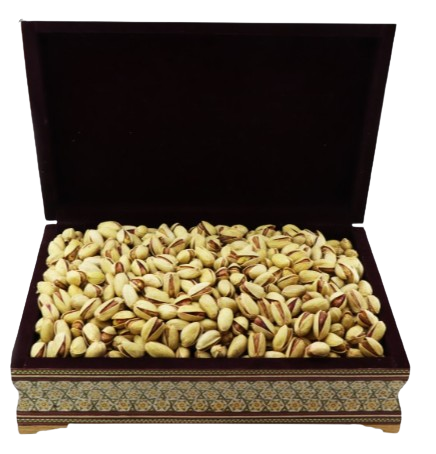
What to add: All the above ingredients with extra golden raisins and dried sour cherries. Serve in a beautiful bowl at the centre of your haft-sin spread. The vibe: This is what 3,000 years of celebration tastes like.
2. Spiced Savoury Ajil
For when you want something more snack-bar, less sweet.
What to add: Double the cumin, add ½ teaspoon smoked paprika, ½ teaspoon turmeric to the roasting oil, and skip the dried fruits entirely. Add some dried chickpeas for extra crunch. The vibe: TV night perfection. Goes with everything.
3. Yalda Night Special
Yalda Night (the winter solstice celebration) is basically an Ajil holiday. Make it extra.
What to add: Add pomegranate-flavoured dried cranberries, extra walnuts (traditional for Yalda), medjool dates halved and pitted, and a handful of dried rose petals for drama. The vibe: Gathering around a fire with family and poetry. Perfection.
4. Chilli-Lime Persian Fusion
Not traditional, but SENSATIONAL.
What to add: Zest of 1 lime added to the roasting oil, ½ teaspoon chilli flakes, a tiny pinch of cayenne, and a squeeze of lime juice right before serving. The vibe: When your Persian snack has a Latin American passport. Addictive beyond reason.
5. Chocolate-Dipped Ajil
Controversial? Yes. Incredible? Also yes.
What to add: After assembly, drizzle melted dark chocolate over the top and let it set. Add a tiny sprinkle of sea salt flakes and crushed freeze-dried raspberries. The vibe: Your Ajil went to a fancy chocolatier and came back transformed.
Troubleshooting Guide (Because Things Can Go Sideways)
Problem: Nuts taste bitter or burnt.
What happened: Oven too hot, or you walked away. Fix it: Start over. Burnt nuts cannot be saved, and they will ruin the whole batch. Watch your oven like a hawk next time.
Problem: The saffron flavour is undetectable.
What happened: You didn’t bloom it properly, or you added it to something too hot. Fix it: Always bloom saffron in warm water for 10 full minutes before using. Never add raw saffron threads — they won’t release their colour or flavour properly.
Problem: The nuts are soggy, not crunchy.
What happened: You didn’t cool them completely before storing, or your container isn’t airtight. Fix it: Always cool 100% before storing. Spread on a rack if possible. And use a proper airtight container!
Problem: It’s too salty.
What happened: Easy to over-salt when you’re seasoning at multiple stages. Fix it: Add more unsalted dried fruit to balance it out. More golden raisins to the rescue!
Problem: Can’t find sour dried cherries or mulberries.
What happened: You live somewhere that is not a Persian grocery store. Fix it: Dried cranberries are your best substitute for tartness. Dried barberries (zereshk) are another excellent option if you can find them at a Middle Eastern grocery.
Storage and Shelf Life (Keep Your Ajil Legendary)
Proper storage keeps your Ajil fresh for weeks. Here are the rules:
The Rules:
- Airtight glass jar or container — always
- Room temperature — a cool, dark cupboard is ideal
- Keep moisture FAR away — it’s the enemy of crunch
- Do NOT refrigerate — condensation will ruin the texture
- Properly stored, Ajil lasts 3–4 weeks (if it somehow isn’t eaten within 48 hours)
- Keep dried fruits and nuts in separate containers if you want maximum crunch, then mix when serving
Gift Packaging Ideas:
- Beautiful glass mason jars with ribbon
- Layered in a clear cellophane bag — the colours are stunning
- Decorative tin with a handwritten label
- A note explaining what each ingredient is and its significance
Pro Tip: Make a big batch. You’ll need it.
Serving Suggestions (The Art of Ajil Presentation)
The Classic Way:
- A beautiful wide, shallow bowl in the centre of the table
- Several smaller individual bowls for guests to fill
- Served with Persian tea (chai ba nabat — saffron rock candy tea)
- At room temperature — always
As Part of a Spread:
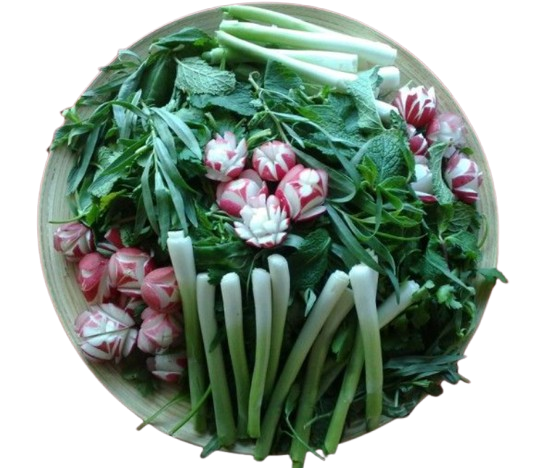
- Alongside fresh herbs (sabzi khordan) — mint, basil, tarragon, radishes
- With Persian flatbread (lavash or sangak)
- Next to white feta and walnuts
- Part of a full sofrehchini (Persian spread)
As a Gift:
- Nowruz (Persian New Year) — deeply traditional and always appreciated
- Yalda Night — absolutely essential
- Eid celebrations
- Housewarming gifts that will make you everyone’s favourite person
- “Just because” gifts that communicate “I put actual love into this”
The Cultural Significance (Why This Is More Than Just Snacking)
Here’s the thing about Ajil that you need to understand: it’s not just food. In Persian culture, the way you feed your guests says everything about who you are as a host.
Bringing out a generous bowl of Ajil is an act of welcome. It says: You are valued here. You are worth the effort. Sit down, stay a while, let me take care of you.
The specific nuts and fruits in Ajil carry meaning. During Nowruz, the seven-nut mix (haft meweh) symbolises the seven good things you want to bring into the new year. During Yalda Night, pomegranate seeds and walnuts connect you to ancient Zoroastrian traditions about light conquering darkness.
Every handful carries centuries of intention.
Pro Tips from Persian Grandmothers (The Real Experts)
The wisdom that money cannot buy:
- Buy from a Persian or Middle Eastern grocery store — the quality difference in nuts and dried fruits is astonishing
- Roast in small batches — don’t crowd the pan; everything browns more evenly
- Saffron is not optional — yes, it’s expensive; no, there is no substitute
- Taste as you go — adjust salt, adjust sweetness, make it yours
- Fresh is best — make it within a week of when you’ll serve it
- The dried fruits should be plump — if they’re hard as pebbles, soak them briefly in warm water and pat dry before adding
- Never rush the cooling stage — this determines whether your Ajil is crunchy or chewy
- More is more — pile the bowl HIGH. Persian hospitality does not do half-measures.
Why This Will Change How You Think About Snacking
When you make your first bowl of proper Ajil, something shifts. You realise how much flavour, texture, and intentionality has been absent from your snacking life up until this moment.
You’ll taste a golden raisin next to a saffron-kissed pistachio next to a tart dried cherry and think: This is what snacking was always supposed to be.
This isn’t just a recipe. It’s a gateway into one of the world’s most generous and beautiful food cultures. It’s a direct line to Persian grandmothers who have been perfecting this for generations. It’s a bowl of history, tradition, and love — and it happens to taste absolutely incredible.
Your Ajil Journey Starts Now!
So here’s your mission: Find the best nuts you can. Track down some saffron (worth every penny). Pick up a bag of dried sour cherries and golden raisins. Then clear an hour on a Sunday afternoon, roast everything to golden perfection, and assemble the most beautiful, most flavourful, most culturally rich snack bowl of your entire life.
Put it on the table. Pour some tea. Sit down with people you love.
And watch how a bowl of nuts and dried fruit becomes the centrepiece of a whole evening.
That’s the magic of Ajil.
That’s the magic of Persian snacking.
Now get out there and make it happen. 🌸✨
P.S. — Once you’ve mastered the classic, start experimenting. Add different spices. Try different dried fruits. Create your own signature mix. Ajil is a tradition, yes — but it’s also a canvas.
P.P.S. — If you can get your hands on Iranian pistachios specifically, please do. The flavour difference is genuinely remarkable. You’ll understand why Iran has been growing pistachios for over 3,000 years.